
July 13, 2025
Research Brief
Top 5 in Defense Spending – Yet No Indigenous Arsenal?
India’s defense budget for FY 2025–26 stands at a staggering ₹6.8 lakh crore (~$79 billion), placing it among the world’s top 5 defense spenders. Yet despite this massive expenditure, most of our military hardware — from rifles to missiles — still comes from abroad. Why?
India’s defense expenditure has grown steadily in line with its global ambitions. With rising regional threats, border tensions, and the need to modernize a vast military, the allocation of resources isn’t the problem.
The real question is: Why hasn’t this spending created an indigenous arsenal?
The Budget Looks Strong on Paper…
The 2025–26 Indian defense budget includes:
₹1.72 lakh crore for capital acquisition (modernization)
₹4.39 lakh crore for defense services (operational expenses)
₹1.32 lakh crore for pensions
₹1.68 lakh crore earmarked for procurement under the “Make in India” push
Yet despite these figures, the bulk of big-ticket purchases continue to be foreign-origin.
Recent or ongoing imports include:
Rafale fighters (France)
S-400 air defense systems (Russia)
GE F414 jet engines (USA)
Heron UAVs (Israel)
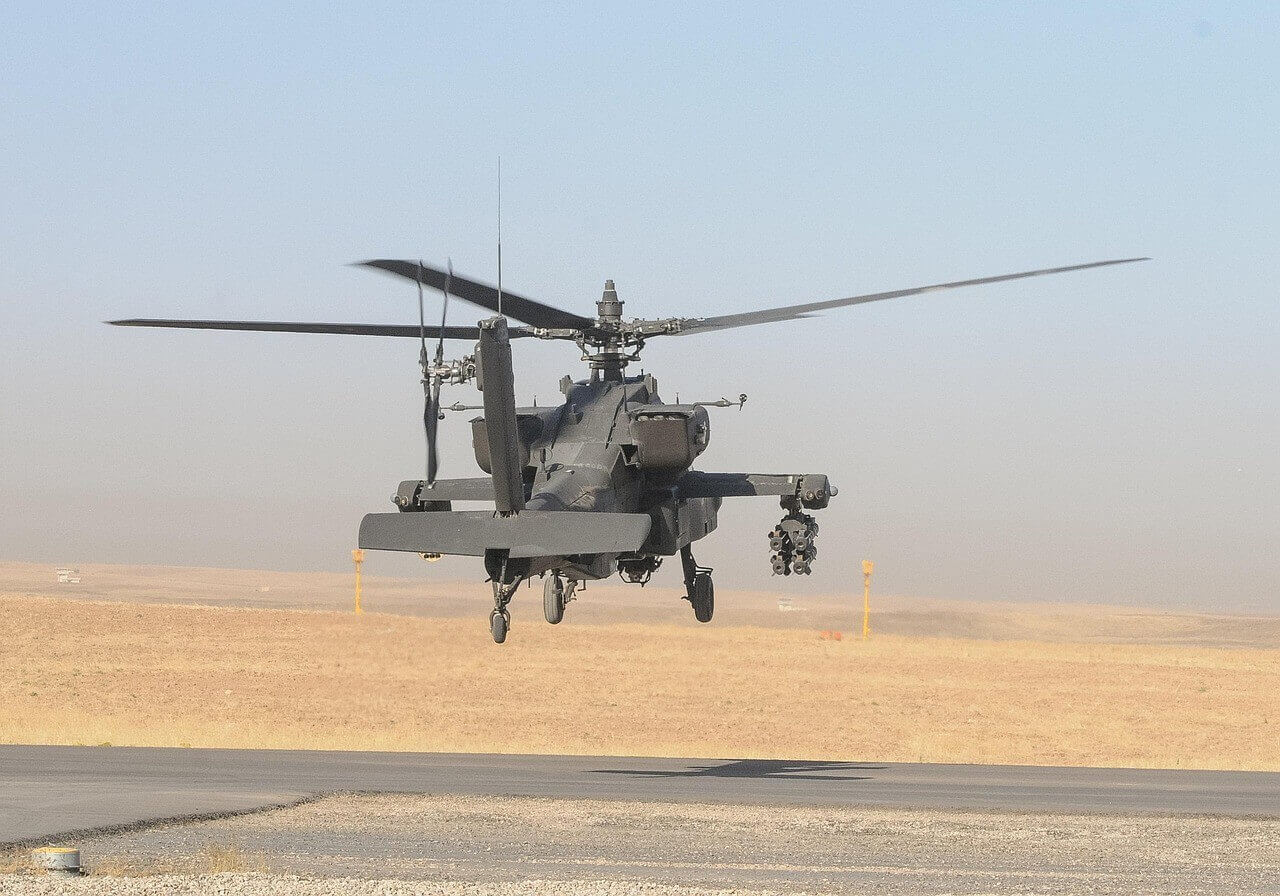
Apache & Chinook helicopters (USA)
Assault rifles (AK-203 from Russia, SIG716 from USA)
The Indigenous Arsenal That Never Was
India has tried developing several indigenous platforms — Arjun tanks, Tejas jets, NAG missiles, INSAS rifles — but few have seen full-scale induction or export success.
Why?
Because:
Many homegrown projects face delays, cost overruns, or lack user satisfaction
Private Indian firms are sidelined in favor of DPSUs
Imported systems are often preferred for their proven battlefield performance
This leads to a tragic loop:
➡ We spend heavily on imports
➡ Local innovation is underfunded
➡ Private players get discouraged
➡ Indigenous capability never matures
Spending Without Sovereignty
While the “Atmanirbhar Bharat” initiative is a step forward, the results have yet to show at scale.
India remains the world’s largest arms importer, accounting for roughly 11% of global imports between 2018–2023.
That means:
Billions of dollars flow out of India every year
Local supply chains remain underdeveloped
IP ownership stays abroad, limiting strategic independence
Building an Indigenous Arsenal: The Missed Opportunity
Defense is not just about weapons — it’s about ecosystems:
Secure electronics
Modular components
Precision engineering
AI-powered battlefield software
Ammo and logistics automation
Combat optics, sensors, and comms
If India had invested even 50% of its capital expenditure into building these ecosystems over the last two decades, we’d have become a net exporter by now.
Instead, we’re spending to operate other countries’ technologies.
How to Fix It: Don’t Just Buy — Build
To turn this around, India must:
Mandate indigenous platforms in at least 50% of large capital buys
Open up procurement to tier-2 and tier-3 startups, not just big DPSUs
Offer tax + infra incentives for local defense component manufacturing
Establish a Defense Sovereignty Fund to back IP-first projects
It’s time to stop equating spending with strength. True military strength is built, not bought.
India can’t afford to remain a top spender without becoming a top builder.